
What Is #ResponsibleAI?
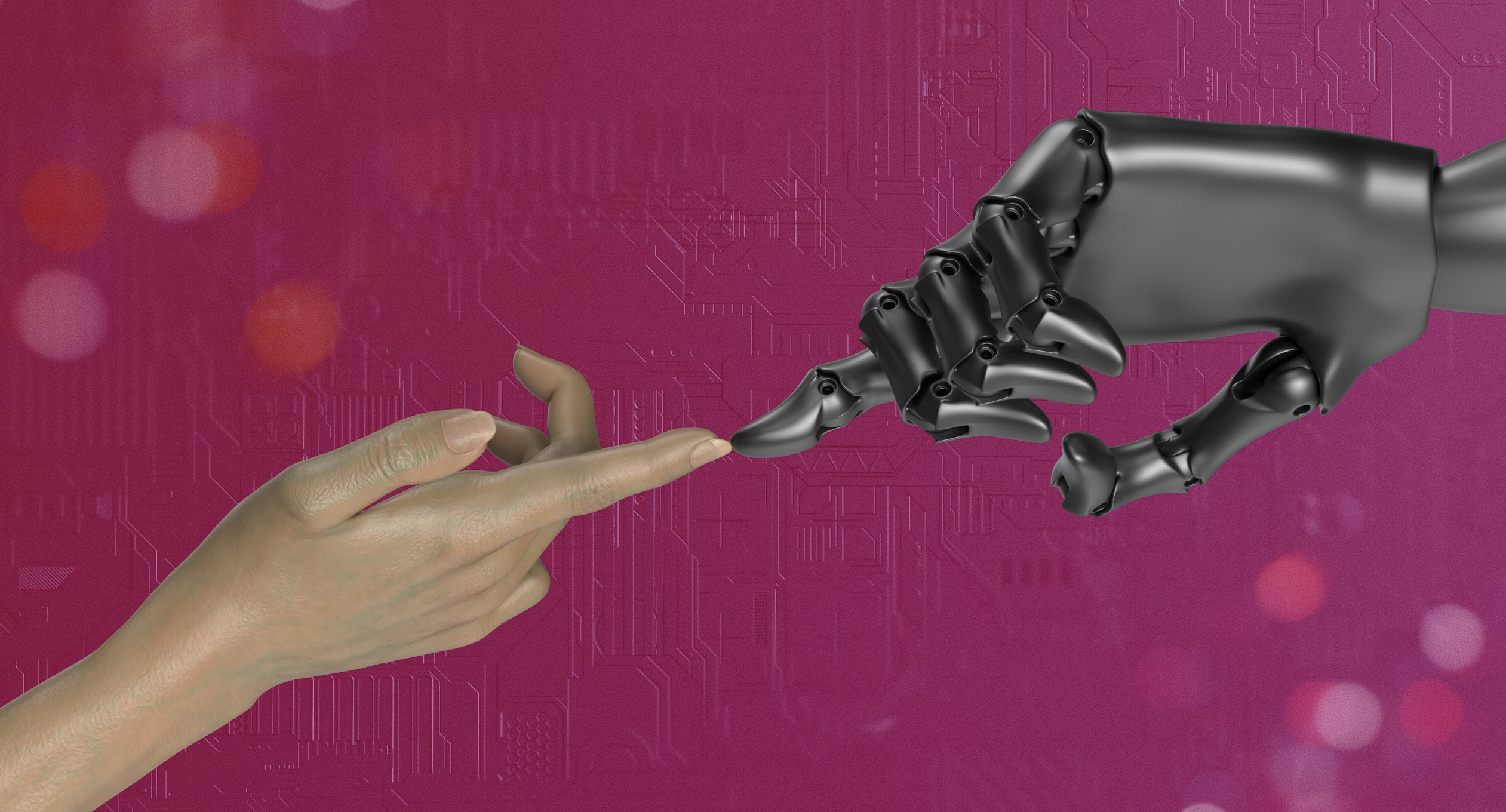
Since Day One, Ocusell has been committed to principles behind the global movement called #ResponsibleAI (there’s even groups, such as this one, which provide guidance on how to follow best AI practices). This means not only do we use AI responsibly, but we can also use provide ways for the real industry to use AI responsibly in their usual listing workflow. We’ve explained more about how Ocusell incorporates AI down below, but first we’re taking a look at some of the other ways similar technology is used in other industries.
Turning Low-Res CAT Scans Into High-Res Results
The hi-res films from medical imaging procedures can take up a lot of gigabytes of storage, which becomes expensive to store for all the years they need to be kept on file. We have already had technology in place that is trained to scan imaging to identify potential tumors, but newer AI models are able to identify anomalies in scans of much lower resolution. This not only saves data storage but also allows clinics in lower income countries to have successful imaging procedures without the most advancement equipment.
Removing Ocean Plastic
A massive project is underway to gather the debris that has accumulated in a part of the world called The Great Pacific Garbage Patch. Ocean debris gathers here because of the currents and weather systems that gradually push floating objects to this massive part of the Pacific. It is a huge patch of ocean, twice the size of Texas, so there needs to be an efficient way to identify where the boats gathering the trash should be stationed. The nonprofit behind the endeavor uses drones to take pictures of items moving about the water in the area, everything from real live fish to half-intact volleyballs, and uses AI to determine where the highest concentration of trash is. Then they can position the boats and catchment nets in the most effective spots to make the best use of resources.
Helping Deaf Parents Know What Their Newborn’s Cries Mean
An app developer recorded hundreds of newborn cries and had the parents of those babies indicate whether the cries were for food, sleep, gas, or general discomfort. After training an AI model with hundreds of hours of recordings, the app now has a finely-tuned sense of what type of cry corresponds to which need. Once it was tested with high degrees of accuracy, they made the app available for parents with hearing loss so they could hit record when they noticed their baby was crying (usually via physical cues) and be told what their baby most likely needed in that moment.
How Ocusell Uses AI: Photos and Public Remarks
We use photo scanning technology and pair it with a language model which can identify key features in the photos and generate remarks based on what it sees (this is in partnership with Restbi.ai). A listing agent always has the option to not use this feature, but we have had many of our clients say the remarks generator has noticed certain features that they didn’t think to include, such as bamboo flooring or decorative trim.
Ocusell’s platform can also scan for photo violations before a listing is allowed to be published. We can catch things like photos with people in the picture or instances where the lead photo is not the main exterior of the home. But our system is smart enough to not require this in situations where it doesn’t make sense, like land-only listings.